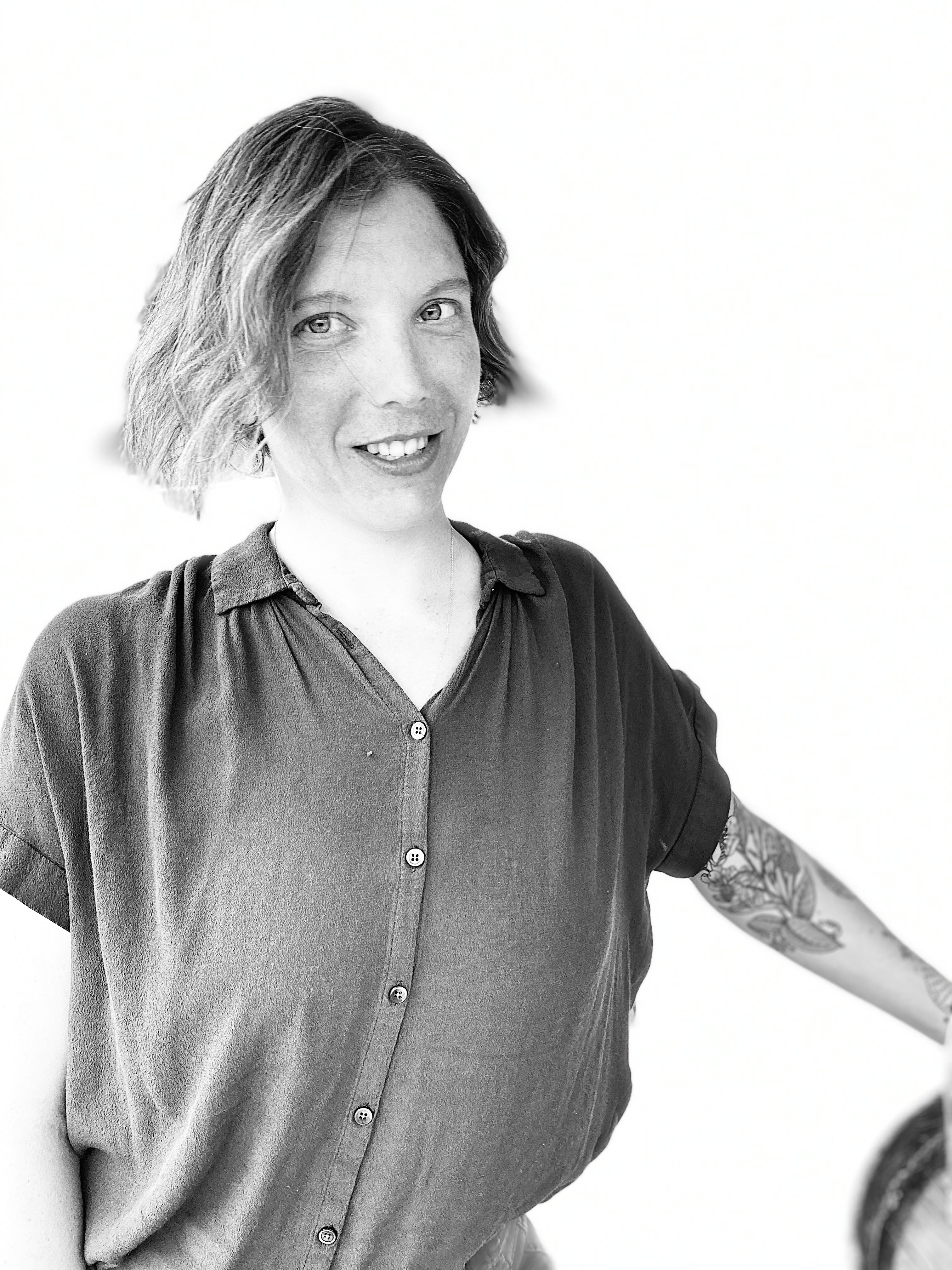
As a member of Stetson University’s English Department, I teach courses in eighteenth and nineteenth-century literature, the novel, and literature and medicine. All these courses explore the relationships among literature, science, race, gender, sexuality, and disability in the context of British globalism. My published works explore the literary history of appetite and addiction in the eighteenth and nineteenth centuries, appearing in scholarly journals such as Configurations, Literature and Medicine, Essays in Romanticism, and European Romantic Review. Forthcoming pieces in Genre and Studies in the Novel explore the politics of breath and disease.
My book manuscript, Morbid Cravings, examines how eating disorders and drug addiction develop in the nineteenth century as psychosocial responses to cultural demands that Britons regulate their appetites. During the seventeenth and eighteenth centuries, the influx of sugar, tea, coffee, opium, chocolate, and tobacco instigated what historian David Courtright terms “the psychoactive revolution” in which the substances of colonial trade began to transform British diets, and by extension, the British nervous system. To explore the complexities of appetite and addiction during the nineteenth century, the book offers a linked series of readings that reveal the interrelationship of discourses about eating disorders with the elaboration of drug addiction as a medical concept: Jane Austen’s Sense and Sensibility and Persuasion form a prehistory to anorexia nervosa only codified later in the century; these restrictions, in turn, shape Thomas De Quincey’s assertions of sobriety in his confessional writings, even as he overindulges in opium; Sidney Whiting’s satiric it-narrative, Memoirs of a Stomach, reimagines De Quincey’s gluttonous appetite for opium as an unrelenting imperial craving for food, drink, and drugs; and Arthur Conan Doyle’s Sherlock Holmes, a paragon of restricted diet, cyclically indulges in mysteries and cocaine injections. By focusing on how anorexia nervosa, opium-eating, dyspepsia, and compulsive morphine injection emerge in relation to attempts to regulate British appetites for sugar, tea, coffee, tobacco, and opium, the book argues that the medico-ideological imperative to restrict produces interrelated representations of eating disorders and addictions that symptomatically enact the voracious logic of British racial capitalism in the imperial century.
As the Director of the Medical and Health Humanities at Stetson, the interdisciplinary ethos of my research informs my work as a program director and my classroom practice in which the rhetoric of scientific knowledge can be put into productive relationships with literary texts to foster a critical social conscience about various issues in historical and contemporary life. Drawing from fields such as the medical humanities and gender and sexuality studies, my courses, from first-year writing to advanced literary study, use writing intensive, interdisciplinary methods to engage students and help them build skills that will serve them in the university and beyond.
 Hannah Markley, PhD