Morbid Cravings: Appetite and Medicine in Nineteenth-Century Literature
In 1878, the German physician Eduard Levinstein published Die Morphiumsucht, which was translated into English as Morbid Craving for Morphia. Levinstein detailed his observations of patients who became habituated to morphine injection and, subsequently, became compulsive injectors. The hypodermic needle, invented by Alexander Wood in 1853, was developed to bypass the digestive tract and, Wood hypothesized, prevent patients from developing an “appetite” for morphine. As Levinstein, documented decades later, Wood’s hypothesis was wrong, and the hypodermic needle, once heralded by physicians as an invention that would cure patients of pain, introduced a new form of “appetite” that led to the codification of addiction as a medical condition by the century’s end. Yet behind this story of addiction’s emergence as a medical concept is a remarkably stable set of metaphors that frame drug addiction in terms of appetite. Wood’s hypothesis that the desire for morphine or opium began in the digestive tract reflects the physiological basis for the metaphors of “drug craving” that still circulate about addiction today. However, the theory that the desire for opium began with digestion did not begin with Wood. In 1821, Thomas De Quincey published Confessions of an English Opium-Eater, deploying the common metaphor of “opium-eating” to explain how his need to consume opium daily was analogous to, if not synonymous with, his need for breakfast. Still, he usually drank opium in the liquid form of laudanum, reflecting the ways in which the appetite epistemologically organized nineteenth-century ideas about drug habituation.

Albert Besnard. Morphinomanes. 1887. Source: Wikimedia Commons.
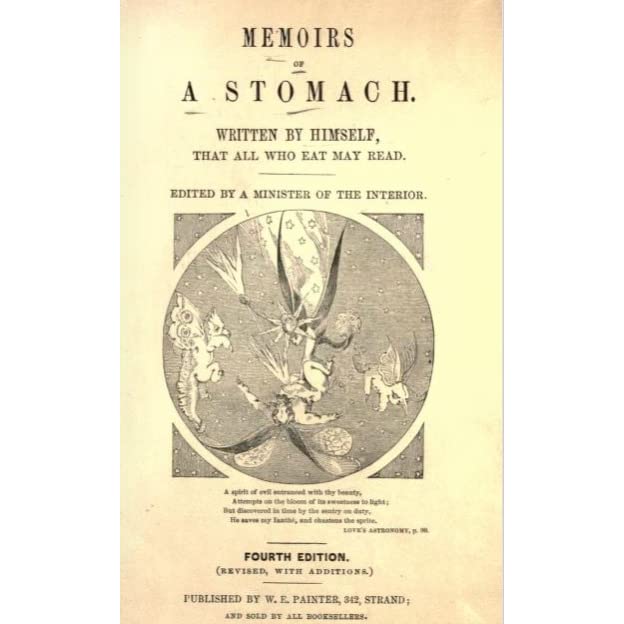
Morbid Cravings: Appetite and Medicine in Nineteenth-Century Literature situates addiction in relation to nineteenth-century representations of “bad appetites,” from late-eighteenth-century attempts to regulate bodily and emotional excess with the cultivation of “good taste” to the codification of anorexia nervosa as the first “eating disorder.” This project explores the complexities of appetitive addiction in literary and medical culture, focusing on Jane Austen’s novels (Sense and Sensibility, Persuasion), Thomas De Quincey’s confessional writings (Confessions of an English Opium-Eater, Suspiria de Profundis), Sidney Whiting’s it-narrative about stomach who speaks for itself (Memoirs of a Stomach),and Conan Doyle’s mysterious representations of injection (The Sign of Four) as their authors grapple with Romantic debates about digestion as a symbol for compulsive behavior. This exploration reveals the ways in which appetite’s abstraction from the physical body in eighteenth-century accounts of “good taste” breaks down in the nineteenth century as the “eating disorder” becomes the new aesthetic mode through which Britain’s imperial appetites for resources, lands, labor, and fictions of racial supremacy are personified and imagined. While previous scholars have explored the genealogy of addiction in nineteenth-century literature (Susan Zeiger, Adam Colman) and offered accounts of appetite in relation to literary history, consumerism, and global expansion (Denise Gigante, Michel Lee Parish), this book contributes to a richer understanding of how medical ideas about addiction, consumption, and imperial desire emerge out of a literary history of eating disorders that redefined the mysteries of human desire and its compulsions in and through analogies drawn from digestive physiology.
“Sherlock Holmes took his bottle from the corner of the mantel-piece and his hypodermic syringe from its neat morocco case. With his long, white nervous fingers he adjusted the delicate needle, and rolled back his left shirt-cuff. For some little time his eyes rested thoughtfully upon the sinewy forearm and wrist all dotted and scarred with innumerable puncture-marks. Finally, he thrust the sharp point home, pressed down the tiny piston, and sank back into the velvet-lined arm-chair with a long sigh of satisfaction.”
Arthur Conan Doyle, The Sign of Four, 1890
My approach features three innovative strategies informed by the interdisciplinary ethos of the Medical Humanities. First, I analyze how the genre of each text organizes its representation of “morbid cravings” by adapting and modifying generic conventions. By focusing on the ways in which the novel, the confession, a satiric it-narrative, and a mystery encode their own approaches to consumption through appetite and its metaphors, I explore genre as an expression of Romantic concerns about eating disorders where reading itself becomes an allegory for pathological consumption. Second, I interpret the generic expression of appetitive desires through interdisciplinary frameworks that deploy humanistic methods to analyze nineteenth-century medical ideas. By interpreting medical texts from the Brunonian system of medicine that dominated early nineteenth-century medical practice, with its account of the body as mechanism that balanced internal and external energies through diet (John Brown, Thomas Beddoes, John Abernethy) to early accounts of addiction (H.H. Kane, Clifford Allbutt), I show how literal depictions of bad appetite early in the century come to govern theories of drug habituation after 1850. Third, I emphasize how each literary and medical text grapples with the unstable relationship between human physiology and human desire, deploying appetite and its metaphors to bridge the gap between biological need and what physicians understood as pathological cravings. In this way, “Morbid Cravings” reveals how the conceptualization of addiction and eating disorder as medical problems relies on appetite as a figure that at once obscures and discloses the instability of the boundaries between mind and body.

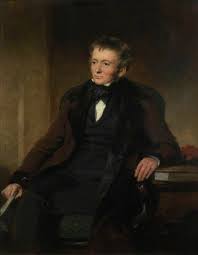
The first chapter, “Happy Appetites: Anorexic Pleasures in Jane Austen’s Sense and Sensibility and Persuasion,” examines how the moral codes of politeness in Austen’s fiction rely on the erasure of eating from her texts. By situating Austen’s subordination of physical appetite to the demands of the Regency marriage market, I explore the ways in which “good taste” and its regulatory regimes form a prehistory for the medical attention to eating disorders later in the century. Chapter two “Compulsive Sobriety: De Quincey’s Confessional Stomach,” examines how De Quincey’s confessional writings displace the relationship between cause and effect that he experiences within his own body; his inability to locate the origins of his appetite for opium either physically or narratively generates his compulsive confessional mode. By interpreting this displacement in relation to Brunonian medicine, in which a substance like opium might be both cause and remedy for the same condition, I suggest that De Quincey narrates his compulsive drug use through his stomach and his desire for abstinence.
The third chapter, “Disgust in Sidney Whiting’s Memoirs of a Stomach,” considers how a Victorian era it-narrative imagines the stomach as the center of cognitive, affective, and national life. The satiric stomach becomes a comic expression of imperial appetite; the narrating stomach registers his resistance to the overindulgence of the British gentleman in which he exists through repeated expressions of disgust. The tension between the feelings of the stomach and the actions of the gentlemen comments ironically on the appetites engendered by empire and consumer culture. Chapter Four, “An Appetite for Injection in The Sign of Four,” investigates Sherlock Holmes’s infamous cocaine injections by tracing the invention of the hypodermic needle to imperial culture and the anxieties it fostered about appetites for drugs such as morphine and cocaine. Holmes’s injections reveal the ways in which the invention of the needle not only forced physicians to reimagine the origins of appetite as possibly distinct from the body’s physical needs but also informed their understanding of morbid cravings.


The conclusion considers how Romantic literature and medicine continue to inform representations of addiction. As post-Romantic theories of desire return to appetite as an organizing metaphor for compulsive behaviors, Romantic eating disorders continue to structure twenty-first century ideas about what it means to become addicted.

 Hannah Markley, PhD